Linking verbs and helping verbs are two fundamental components of the English language that can often be confusing for learners. Linking verbs, also known as copular verbs, connect the subject of a sentence to additional information, while helping verbs, or auxiliary verbs, are used to help form the tense, mood, or voice of another verb. Understanding the difference between these two types of verbs is crucial for constructing grammatically correct sentences and communicating effectively.
The distinction between linking and helping verbs can be subtle, and mastering their usage requires practice and dedication. For instance, in the sentence ‘She is a doctor,’ ‘is’ acts as a linking verb, connecting the subject ‘She’ to the predicate ‘a doctor.’ On the other hand, in the sentence ‘She has eaten breakfast,’ ‘has’ is a helping verb that assists the main verb ‘eaten’ to form the present perfect tense. Recognizing these differences is essential for improving one’s writing and speaking skills.
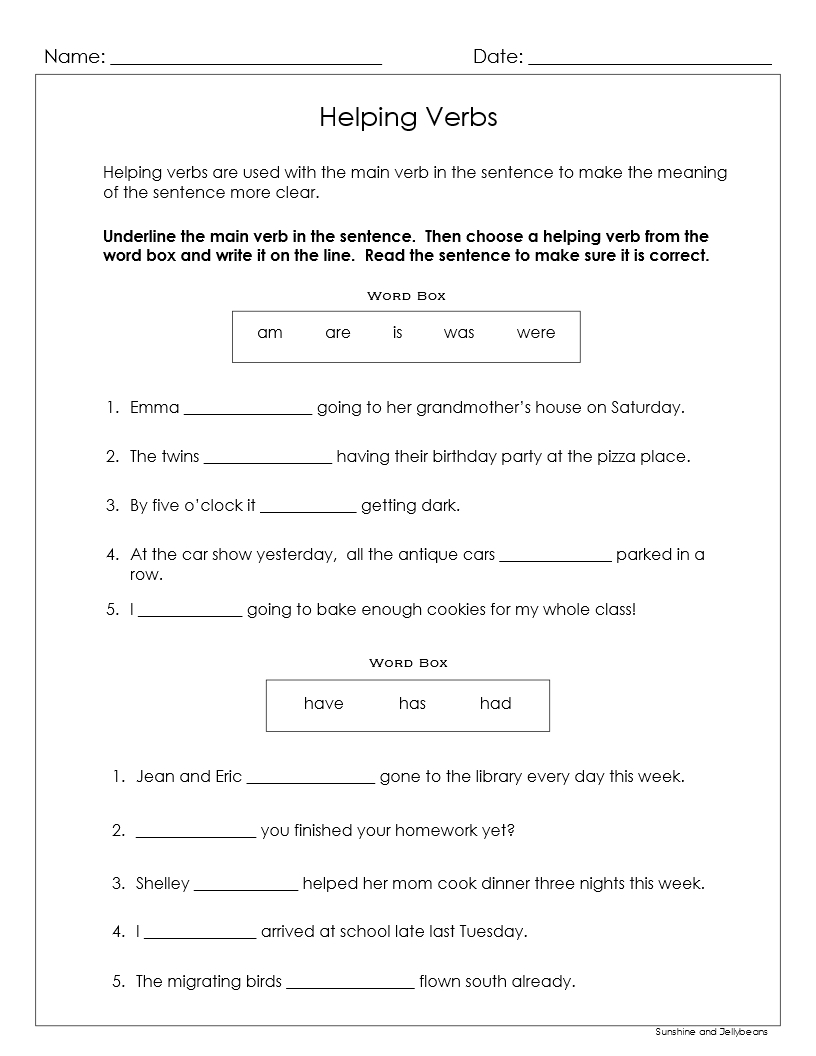
Linking Verbs And Helping Verbs 5 Worksheets Answer Key Grades 3 4 Made By Teachers
Understanding Linking Verbs
Linking verbs are verbs that link the subject of a sentence to the predicate, which can be a noun, an adjective, or a prepositional phrase. Common examples of linking verbs include ‘be,’ ‘seem,’ ‘appear,’ ‘become,’ and ‘feel.’ These verbs do not express action but rather a state of being or condition. For example, ‘He seems happy’ or ‘She appears tired’ illustrate how linking verbs connect the subject to a descriptive adjective. Practicing with exercises that focus on identifying and using linking verbs correctly can significantly enhance one’s ability to form clear and meaningful sentences.
Linking Verbs And Helping Verbs 5 Worksheets Answer Key Grades 3 4 Google Drive Made By Teachers
The Role of Helping Verbs
Helping verbs, on the other hand, are used in conjunction with main verbs to express tense, mood, voice, or aspect. They ‘help’ the main verb by providing additional information about when an action takes place, whether it is completed or ongoing, or whether it is possible, necessary, or obligatory. The most common helping verbs are ‘will,’ ‘would,’ ‘shall,’ ‘should,’ ‘can,’ ‘could,’ ‘may,’ ‘might,’ ‘must,’ and ‘have.’ For example, ‘I will go to the store’ uses ‘will’ as a helping verb to indicate future action. Understanding how to use helping verbs effectively is vital for expressing complex ideas and nuanced meanings in English.
Effective Practice with Printable Worksheets
One of the most effective ways to master linking and helping verbs is through practice, and what better way to practice than with printable worksheets? These worksheets offer a variety of exercises tailored to different learning needs, from identifying linking and helping verbs in sentences to constructing sentences using specific verbs. They are particularly useful for students, teachers, and language learners who prefer hands-on activities or need additional practice outside of a classroom setting. By regularly practicing with these worksheets, individuals can reinforce their understanding of verb functions, improve their sentence structure, and ultimately enhance their overall proficiency in English.
Linking Verbs And Helping Verbs 5 Worksheets Answer Key Grades 3 4 Google Drive Made By Teachers
Linking Verbs And Helping Verbs 5 Worksheets Answer Key Grades 3 4 Google Drive Made By Teachers
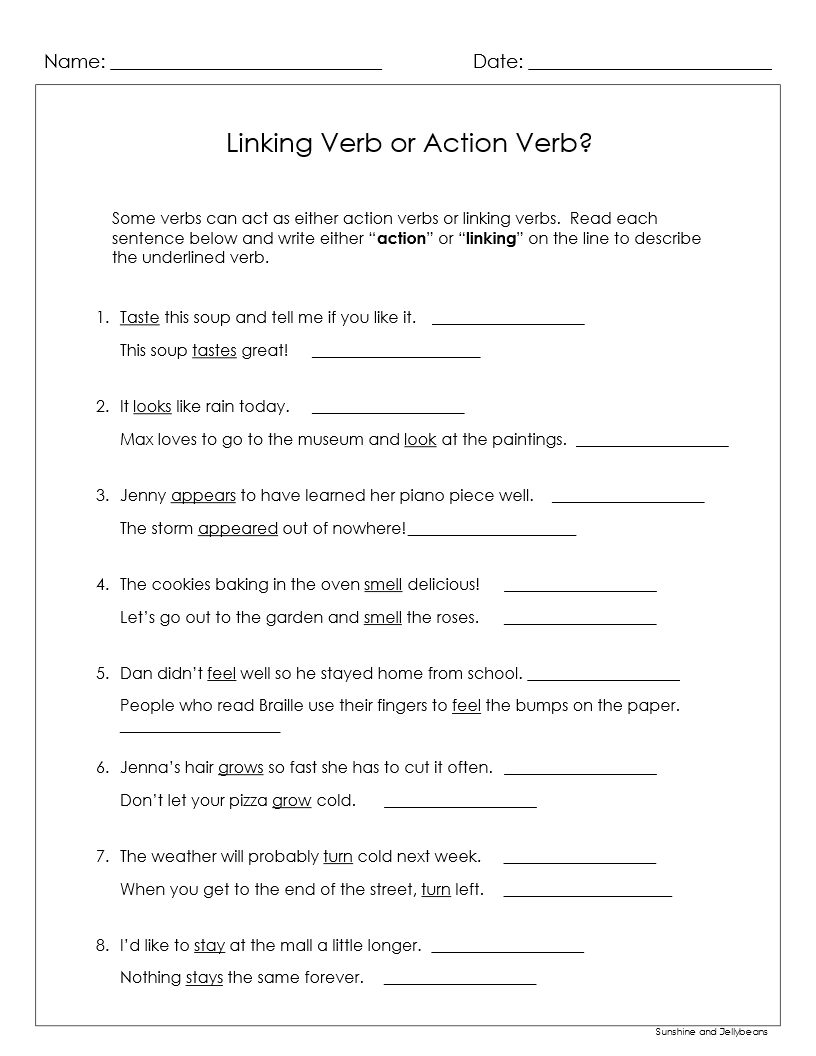
Linking Verbs And Helping Verbs 5 Worksheets Answer Key Grades 3 4 Made By Teachers