When it comes to comparing data, having a well-organized worksheet is essential. Excel is a powerful tool that can help you create a printable comparison worksheet with ease. With its intuitive interface and robust features, you can design a worksheet that meets your specific needs. Whether you’re a student looking to compare notes, a professional trying to analyze data, or simply someone who wants to organize information, Excel has got you covered.
Building a printable comparison worksheet in Excel requires some planning and basic knowledge of the software. You’ll need to decide on the layout, format, and content of your worksheet. This includes choosing the right columns, rows, and headers to display your data. You’ll also need to consider the size and orientation of your worksheet, as well as any additional features you want to include, such as charts or graphs.
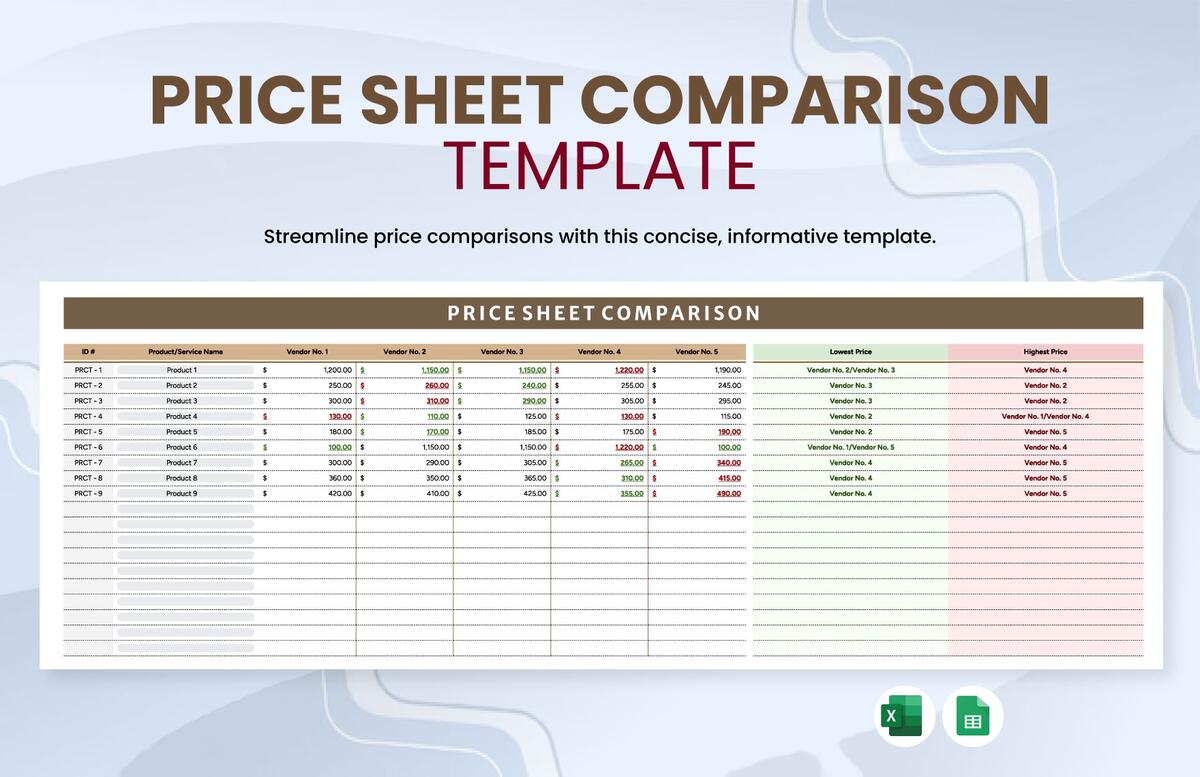
Price Sheet Comparison Template In Excel Google Sheets Download Template
Understanding the Basics of Excel Worksheets
Before you start building your comparison worksheet, it’s essential to understand the basics of Excel worksheets. This includes knowing how to create and edit cells, rows, and columns, as well as how to format your data. You should also be familiar with basic Excel formulas and functions, such as SUM, AVERAGE, and COUNT. With a solid understanding of these basics, you’ll be able to create a worksheet that is both functional and easy to use.
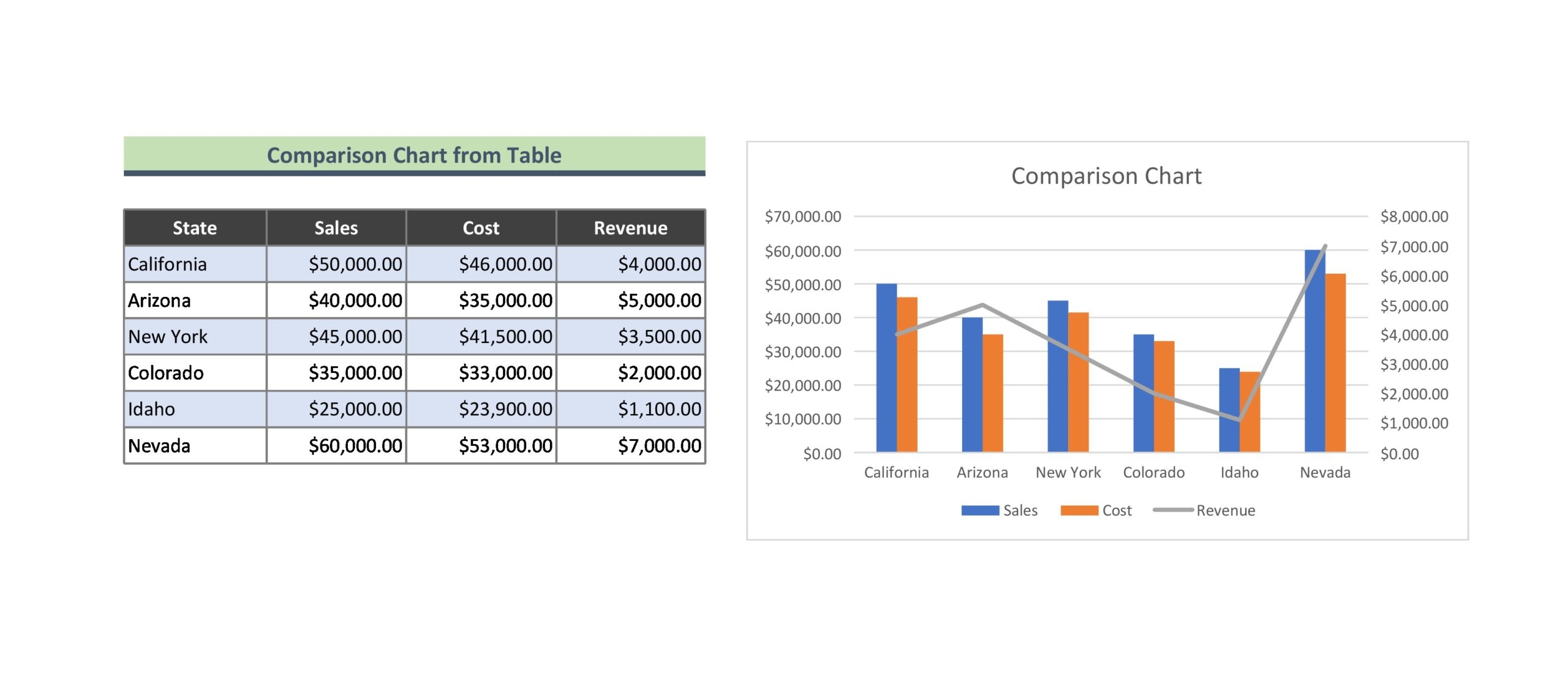
40 Free Comparison Chart Templates Excel TemplateArchive
Designing Your Comparison Worksheet
Designing your comparison worksheet is where the magic happens. You’ll need to decide on the layout and format of your worksheet, including the number of columns and rows, as well as the headers and footers. You should also consider the type of data you’ll be comparing and how you want to display it. For example, you might want to use a table or chart to visualize your data, or include additional features like filters or sorting. With Excel’s intuitive interface, you can easily experiment with different designs and layouts until you find one that works for you.
Adding Data and Formulas to Your Worksheet
Once you’ve designed your worksheet, it’s time to add data and formulas. This is where you’ll start to see your comparison worksheet come to life. You can enter your data manually or import it from another source, such as a database or spreadsheet. You can also use Excel’s built-in formulas and functions to perform calculations and analyze your data. For example, you might use the IF function to compare values or the VLOOKUP function to retrieve data from another table.
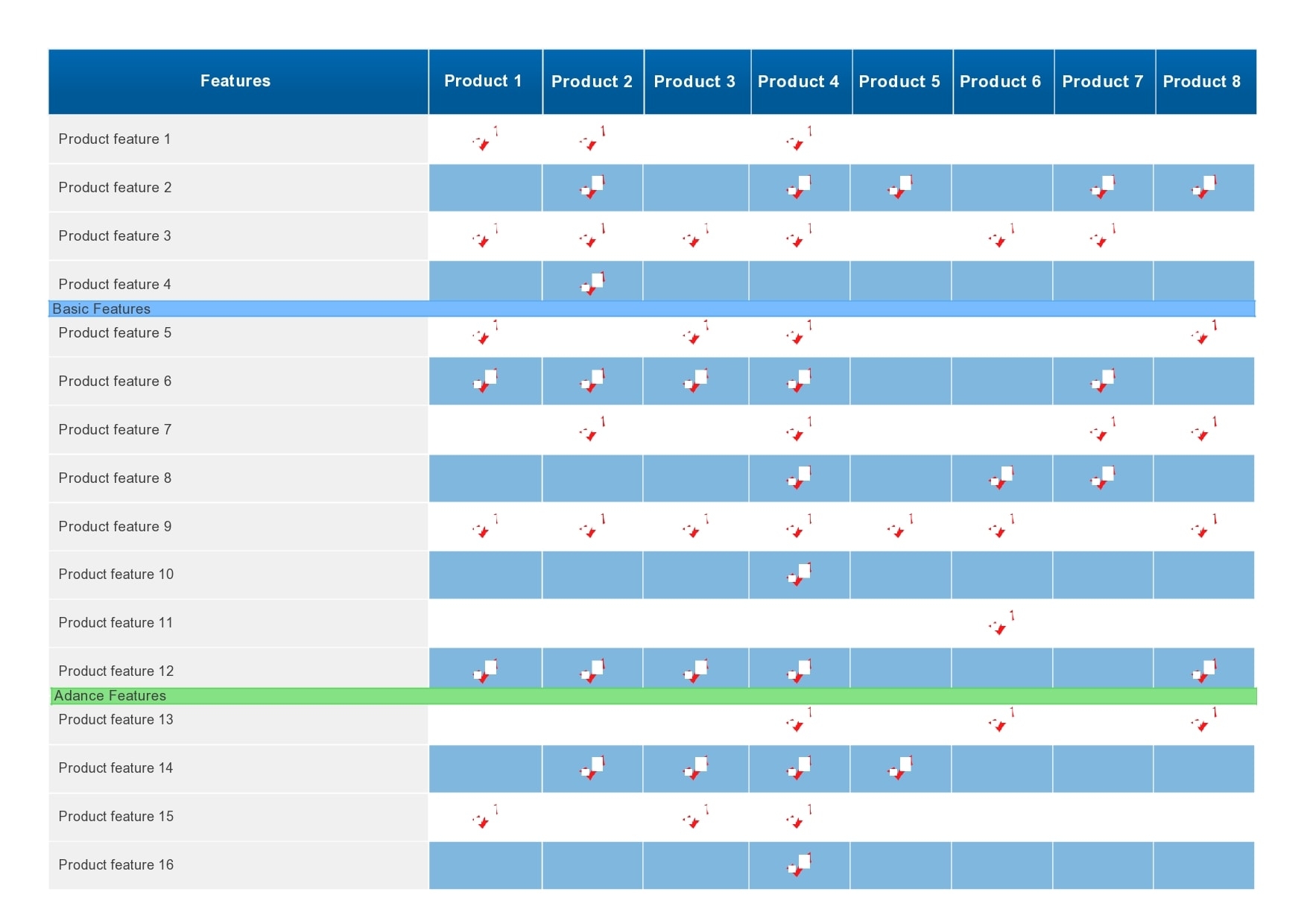
40 Free Comparison Chart Templates Excel TemplateArchive
With your data and formulas in place, you’re ready to print your comparison worksheet. Excel makes it easy to print your worksheet in a variety of formats, including PDF, Excel, and even paper. You can also customize your print settings to include headers, footers, and other features. Whether you’re printing a single copy or hundreds, Excel’s printing capabilities make it easy to share your comparison worksheet with others.
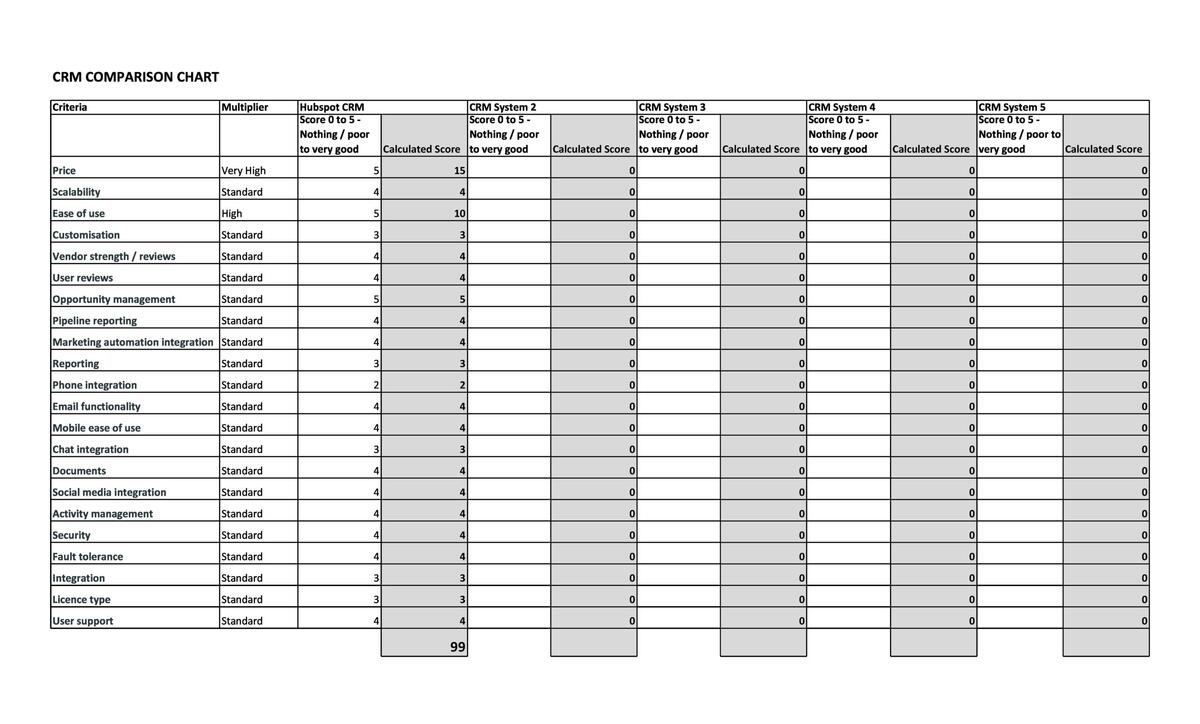
40 Free Comparison Chart Templates Excel TemplateArchive
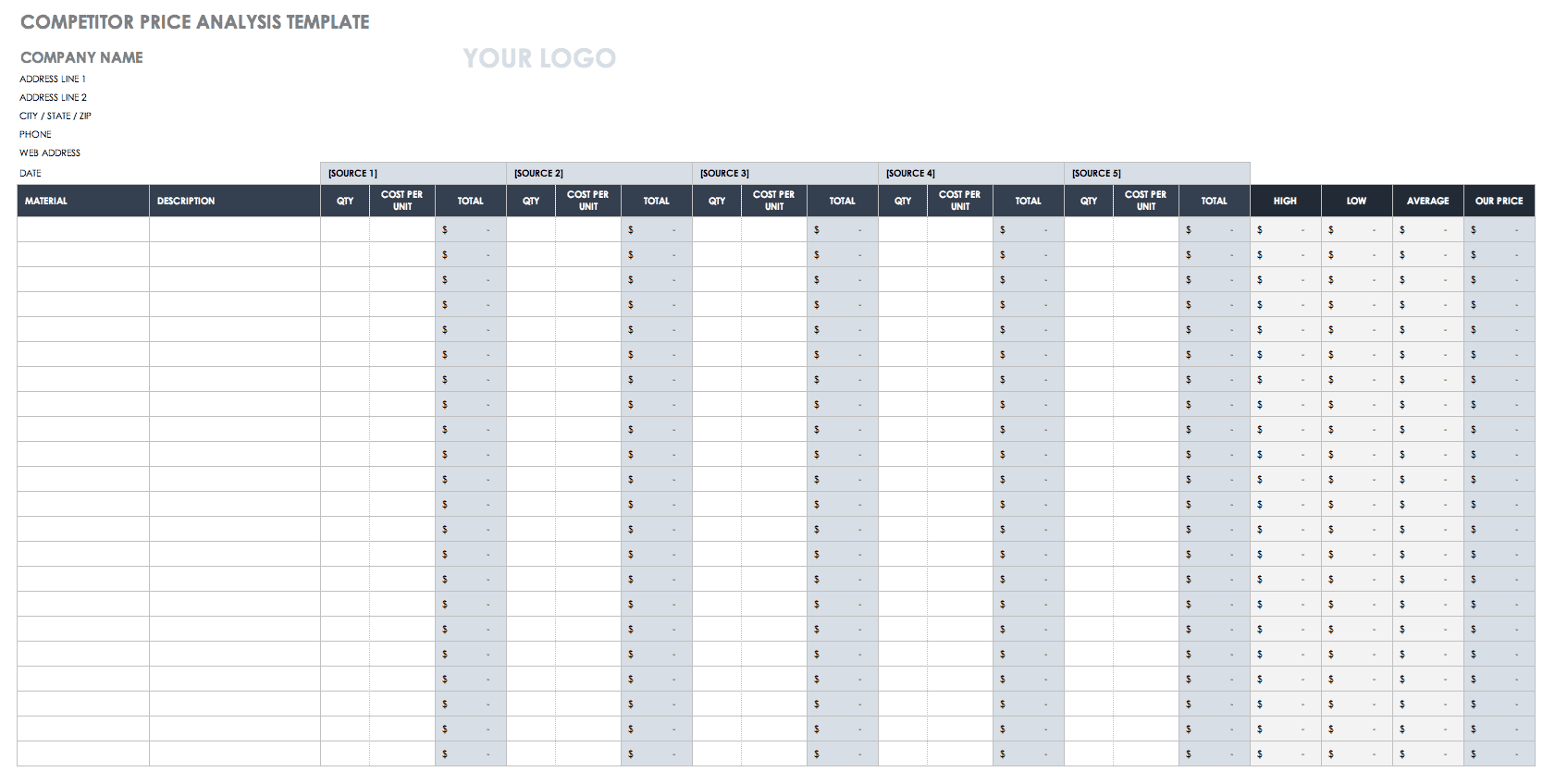
Free Price Comparison Templates Smartsheet