Plants are the backbone of our ecosystem, providing oxygen, food, and shelter for countless species. They come in a wide range of shapes, sizes, and types, each with unique characteristics that set them apart from one another. Two of the most significant groups of plants are angiosperms and gymnosperms. Understanding the differences between these two groups is essential for anyone interested in botany, ecology, or environmental science.
Angiosperms, also known as flowering plants, are the most diverse and widespread group of plants on the planet. They include everything from roses and sunflowers to oaks and maples. Gymnosperms, on the other hand, are a smaller group of plants that include conifers, cycads, and ginkgos. While both groups have been around for millions of years, they have distinct differences in terms of their reproductive structures, growth habits, and evolutionary histories.
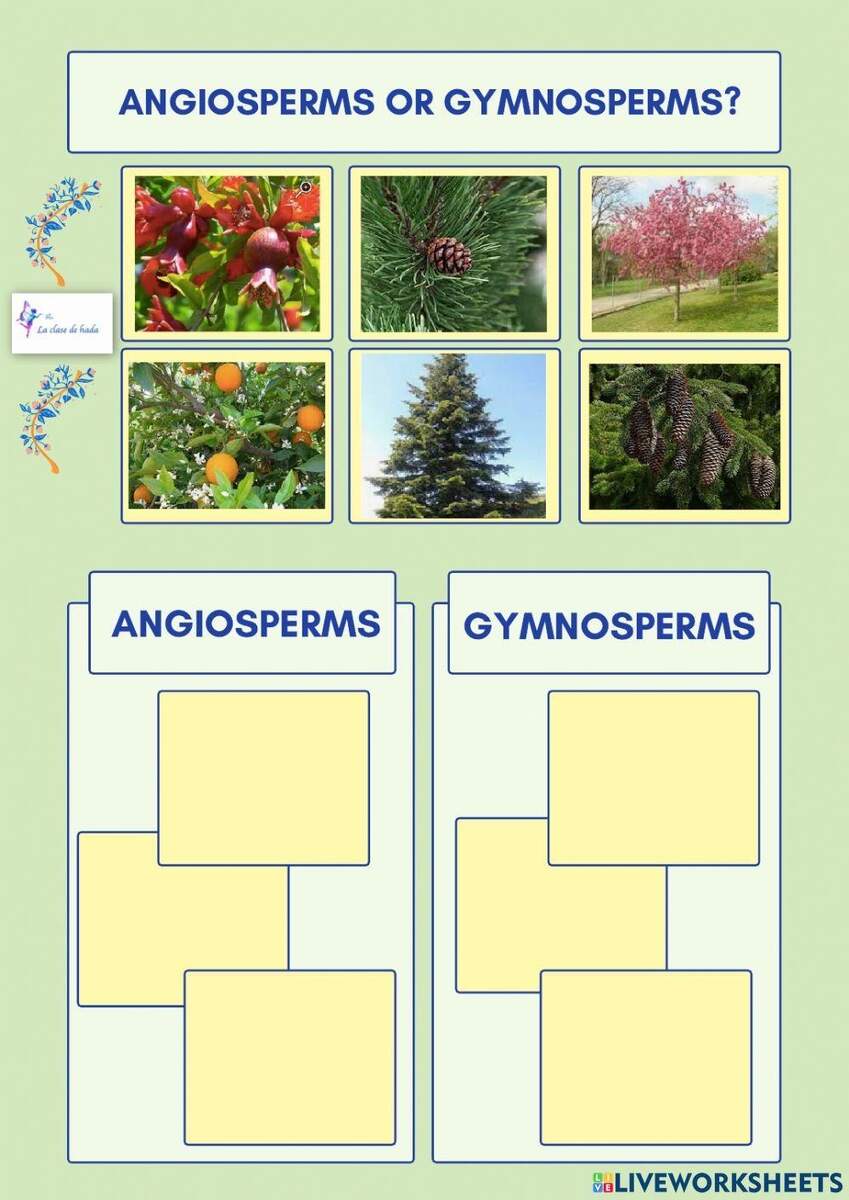
Angiosperms And Gymnosperms Worksheet Worksheets Library
Introduction to Angiosperms and Gymnosperms
When it comes to understanding the basics of angiosperms and gymnosperms, it’s essential to start with the fundamentals. Angiosperms are characterized by their flowers, fruits, and seeds, which are enclosed within an ovary. Gymnosperms, on the other hand, produce seeds that are not enclosed in an ovary, but rather are exposed on the surface of scales or cones. This fundamental difference in reproductive strategy has significant implications for the ecology and evolution of these two plant groups.
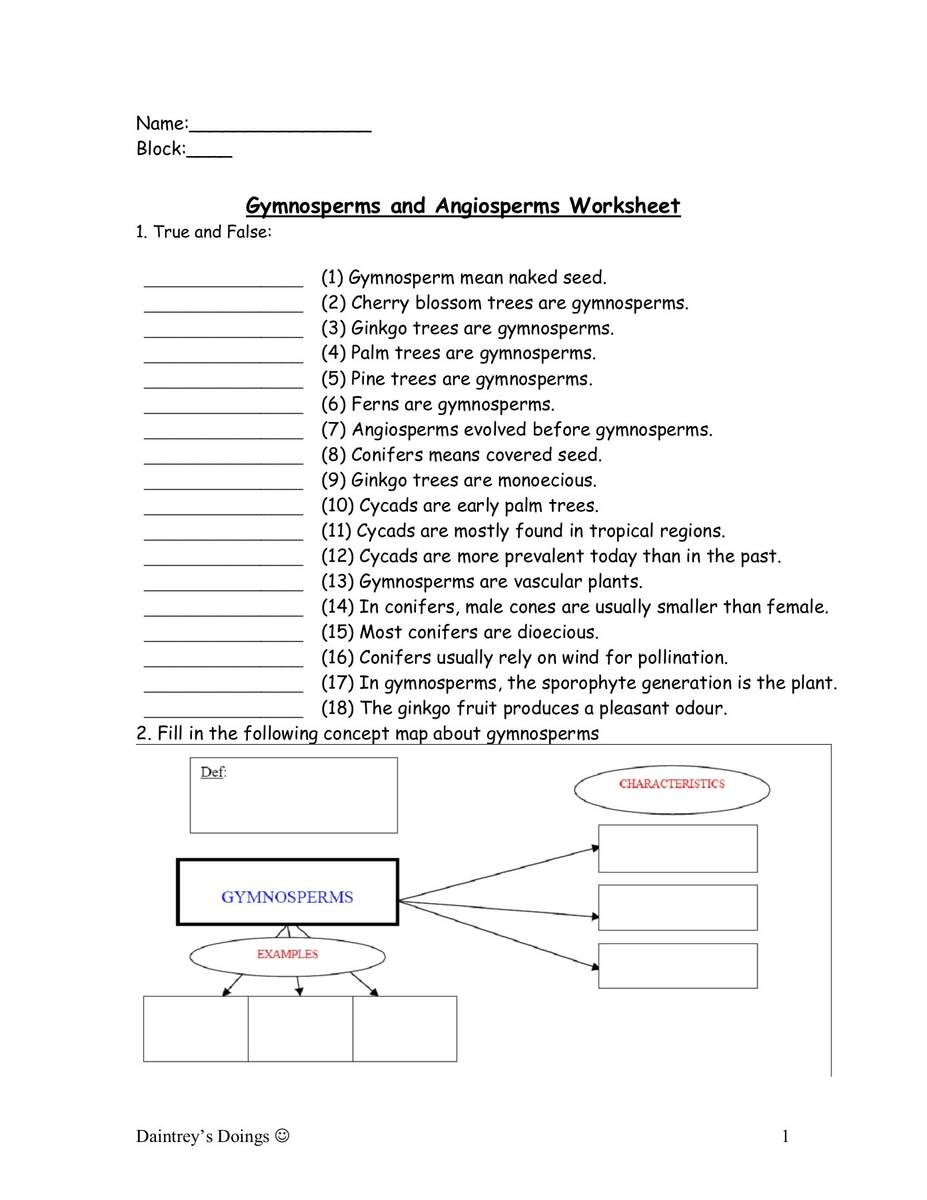
Gymnosperms And Angiosperms Worksheet Wikispaces
Key Characteristics of Angiosperms and Gymnosperms
One of the key characteristics that distinguish angiosperms from gymnosperms is their leaf structure and growth habits. Angiosperms typically have broad, flat leaves with complex venation patterns, while gymnosperms have needle-like or scale-like leaves that are adapted for efficient water loss. Additionally, angiosperms tend to have more flexible and adaptable growth habits, allowing them to thrive in a wide range of environments. Gymnosperms, on the other hand, are often more specialized and adapted to specific environments, such as coniferous forests or arid deserts.
Using the Worksheet for Educational Purposes
The Angiosperm and Gymnosperm worksheet is a valuable educational tool that can help students and teachers learn about the differences between these two plant groups. The worksheet includes a range of activities, such as matching games, labeling exercises, and short-answer questions, that are designed to test knowledge and understanding of angiosperm and gymnosperm characteristics. By using this worksheet, educators can create engaging and interactive lessons that promote learning and retention. Whether you’re a teacher looking for a new way to teach plant classification or a student seeking to improve your knowledge of botany, this worksheet is an excellent resource to have at your disposal.
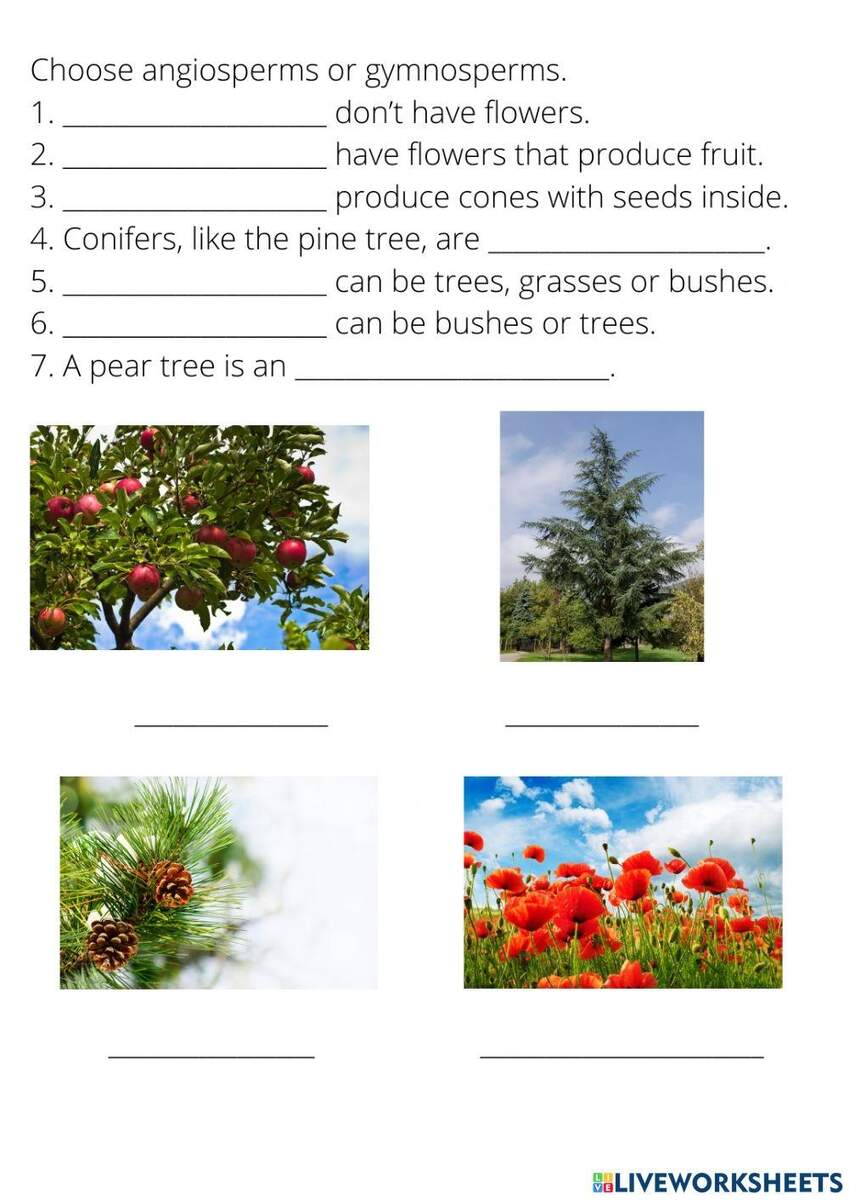
Seed Producing Plants Worksheet Worksheets Library
In conclusion, the Angiosperm and Gymnosperm worksheet is a free printable resource that can be used to learn about the differences between these two plant groups. By understanding the characteristics and features of angiosperms and gymnosperms, students and teachers can gain a deeper appreciation for the diversity and complexity of plant life on Earth. So why not download your free worksheet today and start exploring the fascinating world of angiosperms and gymnosperms?
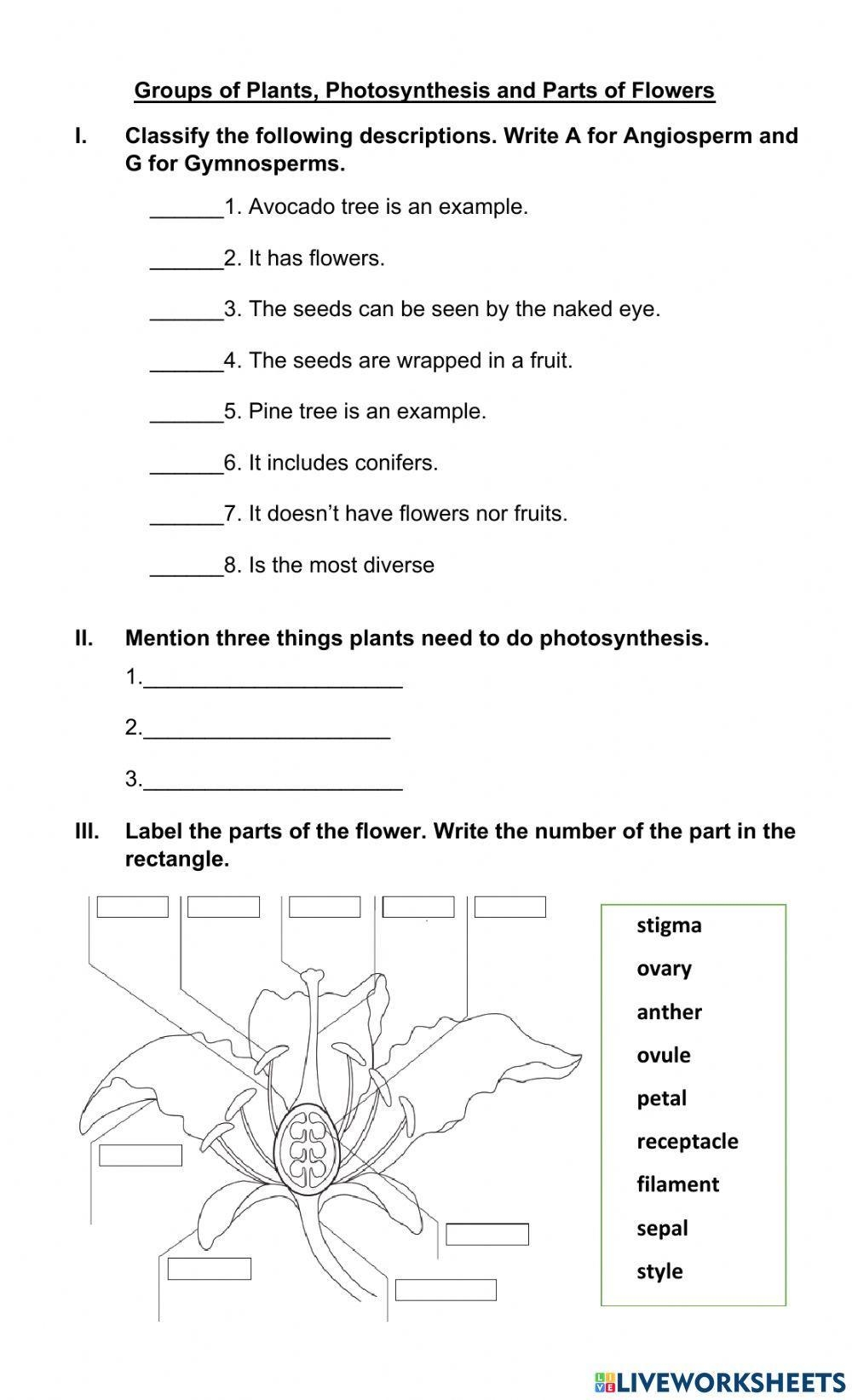
Free Angiosperms And Gymnosperms Worksheet Download Free Angiosperms And Gymnosperms Worksheet Png Images Free Worksheets On Clipart Library
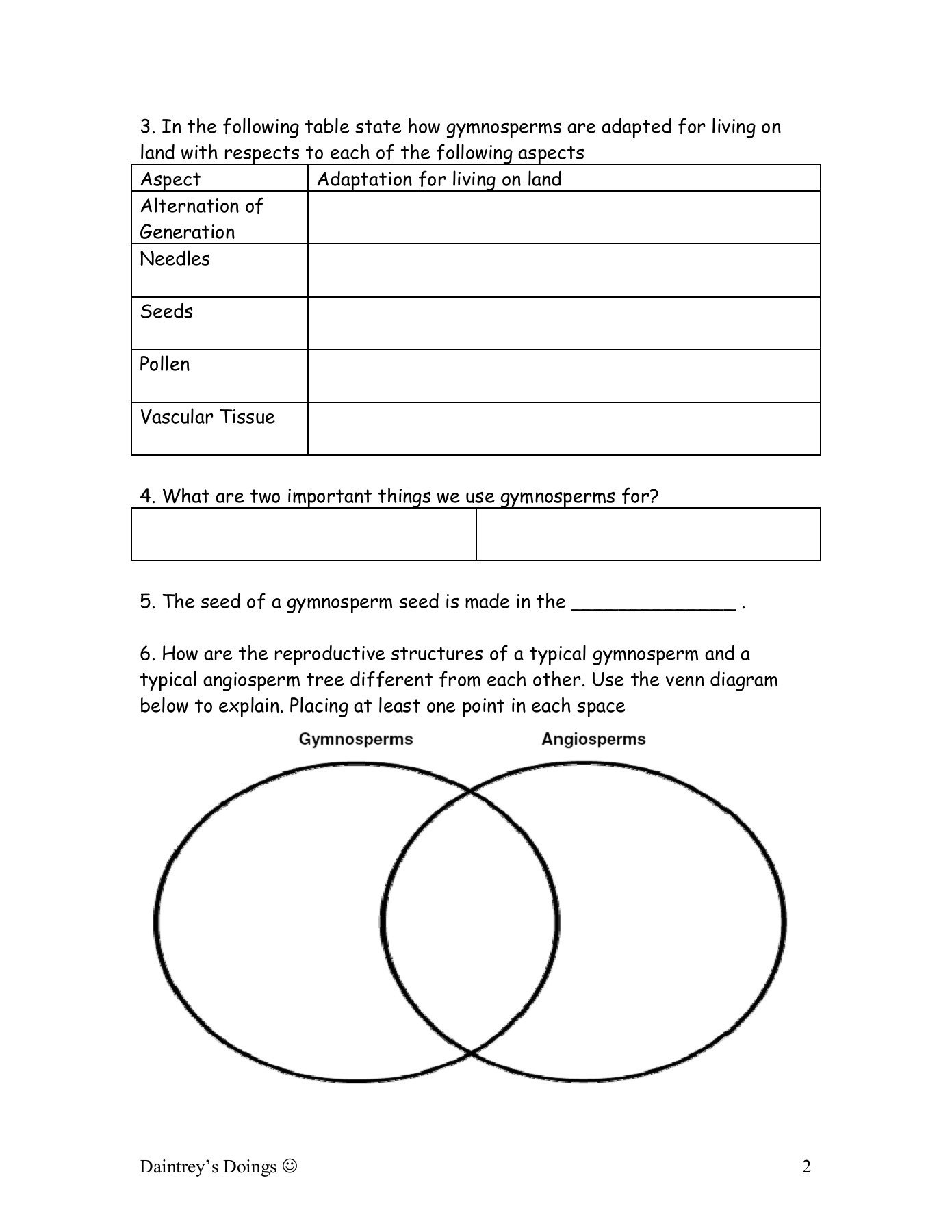
Gymnosperms And Angiosperms Worksheet Wikispaces