Economic competition is a fundamental concept in understanding how markets work and how businesses operate. It’s essential to introduce this idea to young minds to help them develop a solid foundation in economics. As students progress through their educational journey, they will encounter various aspects of economic competition, from supply and demand to market structures. Introducing these concepts early on can spark their interest and make complex ideas more accessible.
Elementary education plays a crucial role in shaping students’ perceptions of the world around them. By incorporating economic competition into the curriculum, teachers can help students develop critical thinking skills, analyze data, and make informed decisions. Moreover, teaching economic competition can foster a sense of entrepreneurship and innovation, encouraging students to think creatively and develop problem-solving skills. With the right resources, such as printable worksheets, educators can make learning fun and engaging.
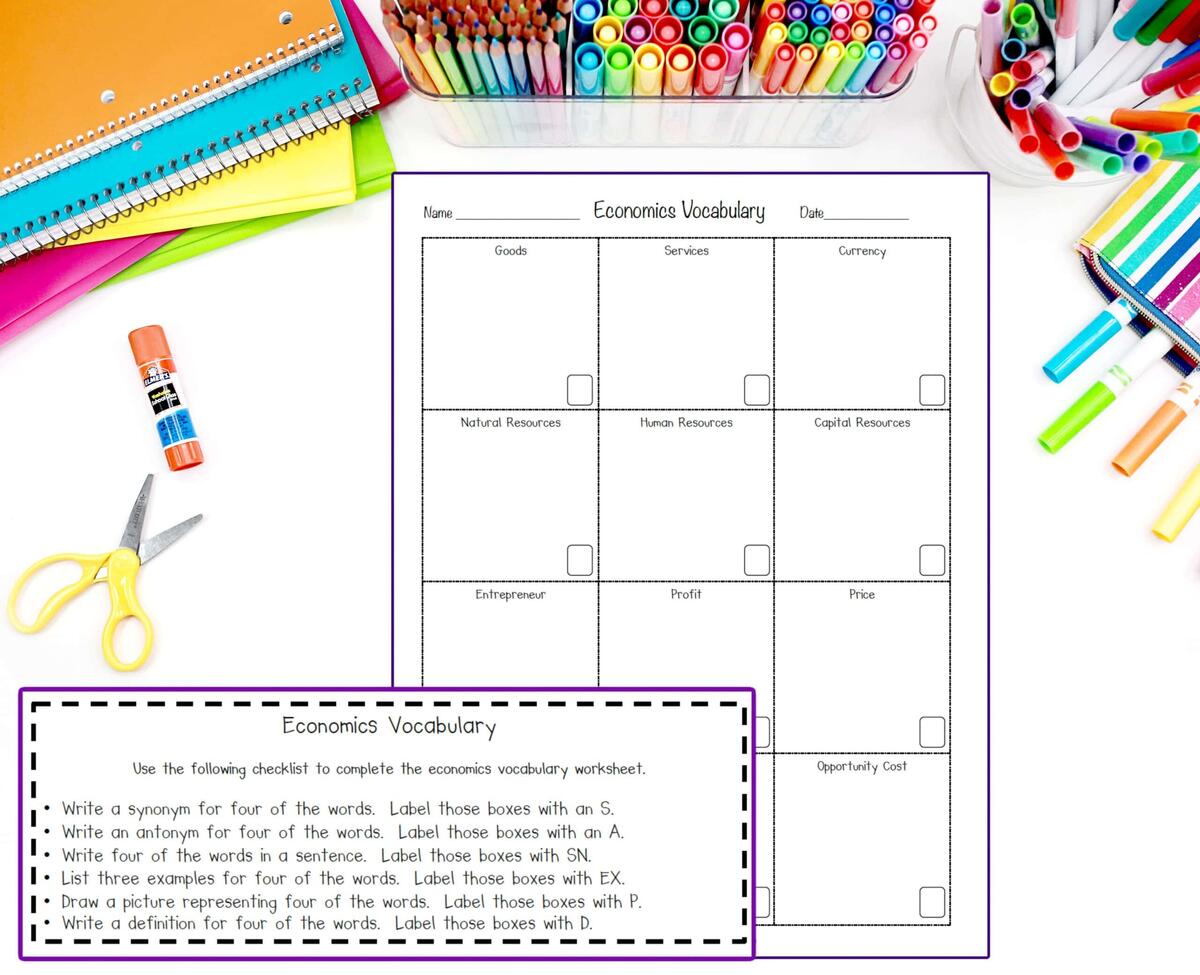
Economics Activities Ashleigh S Education Journey
Understanding Economic Competition
Understanding economic competition is vital for students to grasp the dynamics of the market. It’s not just about businesses competing with each other; it’s also about how consumers make choices and how resources are allocated. By introducing this concept in an elementary setting, teachers can use relatable examples, such as a school bake sale or a lemonade stand, to illustrate the principles of supply and demand. This foundational knowledge will serve as a building block for more advanced economic concepts later on.
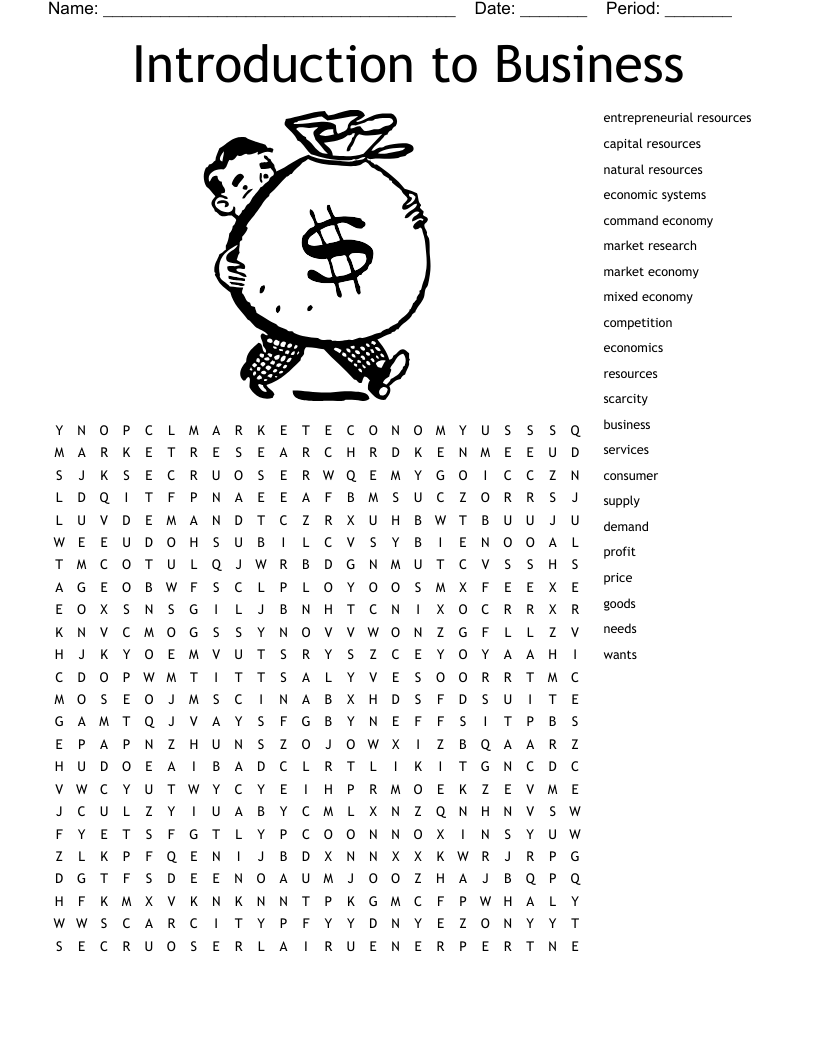
Economic Vocabulary Words Worksheet WordMint
Benefits of Teaching Economic Competition
The benefits of teaching economic competition in elementary education are numerous. Not only does it enhance students’ understanding of market mechanisms, but it also promotes critical thinking, analytical skills, and decision-making. By using real-world examples and interactive activities, educators can make learning fun and relevant. Additionally, teaching economic competition can help students develop a sense of financial literacy, which is essential for making informed decisions in their personal and professional lives. With the right approach, students can gain a deeper understanding of the economy and its impact on their daily lives.
Creating Engaging Worksheets
Creating engaging worksheets is an effective way to teach economic competition to elementary students. A well-designed worksheet can capture students’ attention, promote active learning, and reinforce key concepts. When creating a worksheet, it’s essential to consider the age group and skill level of the students. For younger students, worksheets with visual aids, such as diagrams and charts, can be particularly effective. For older students, more complex activities, such as case studies and data analysis, can be used to challenge their thinking and promote deeper understanding.
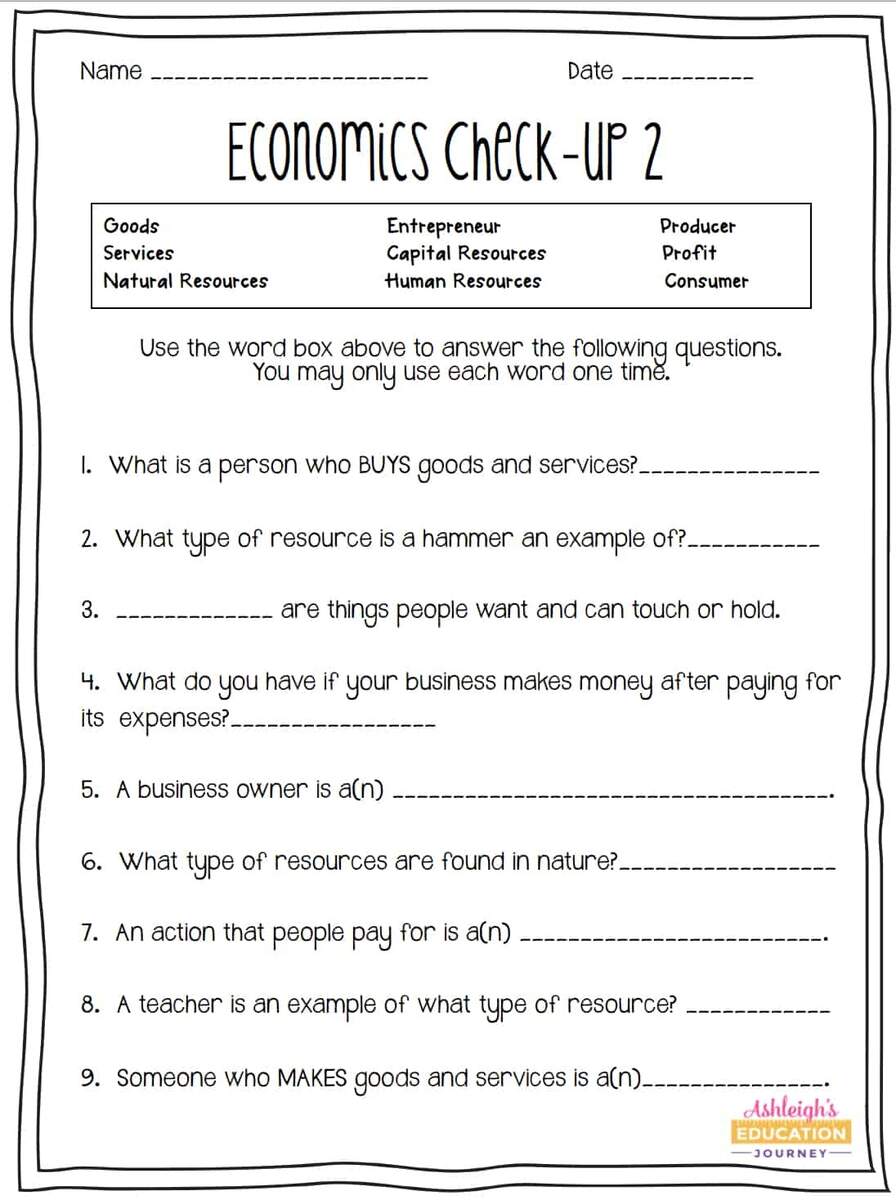
Economics Activities Ashleigh S Education Journey
In conclusion, teaching economic competition in elementary education is crucial for developing young minds and fostering a deeper understanding of the economy. By using interactive and engaging resources, such as printable worksheets, educators can make learning fun and accessible. As students progress through their educational journey, they will encounter more complex economic concepts, but with a solid foundation in economic competition, they will be better equipped to navigate the challenges of the real world. With the right approach, educators can inspire a new generation of economists, entrepreneurs, and innovators.
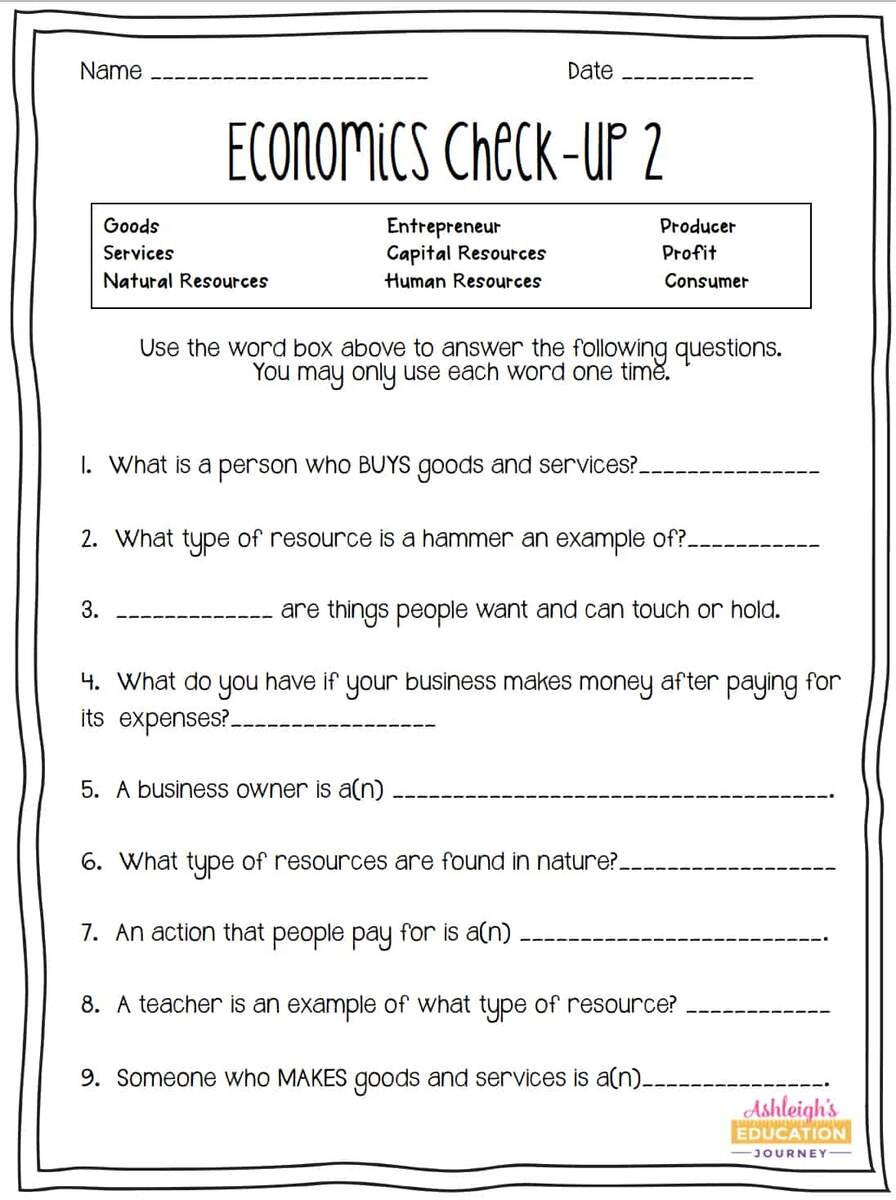
Economics Activities Ashleigh S Education Journey
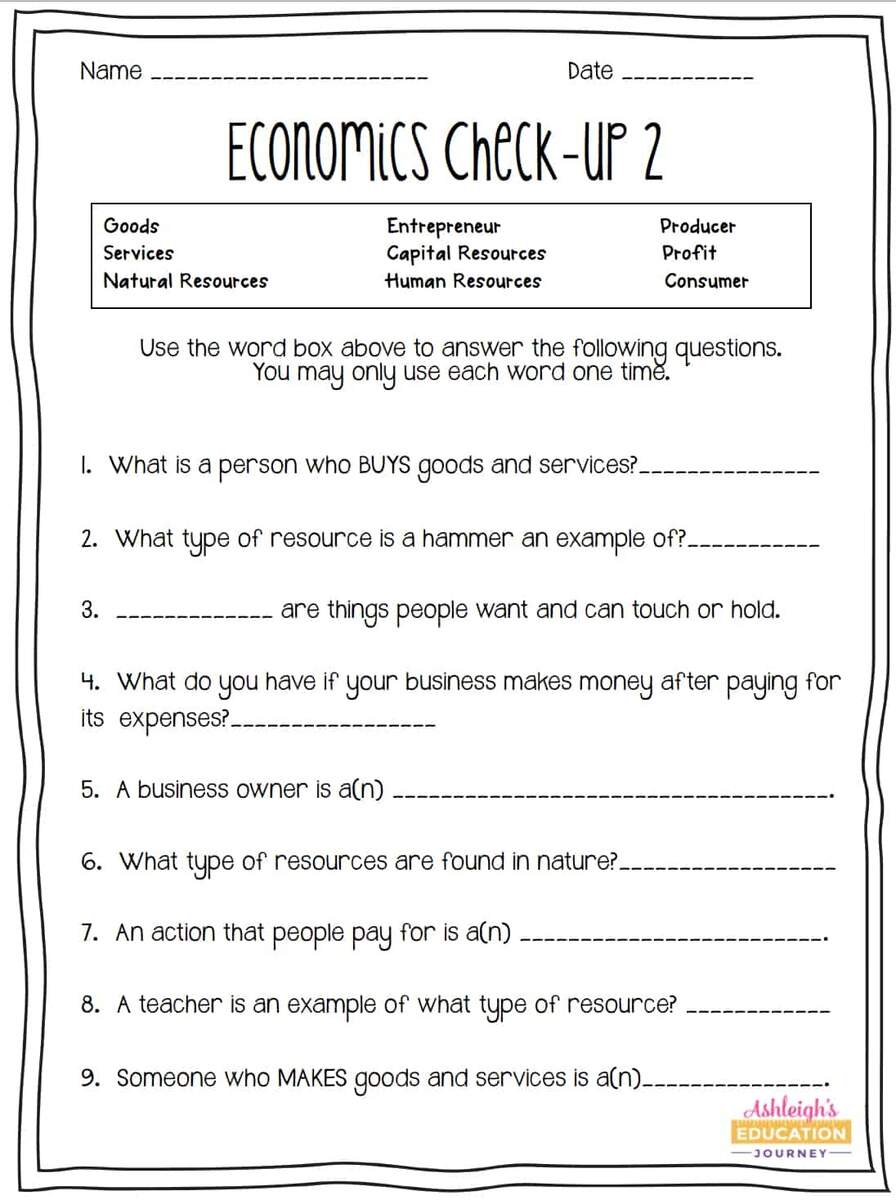
Economics Activities Ashleigh S Education Journey